

Serving Greater Boston
Wood Fence Installation in Boston, MA
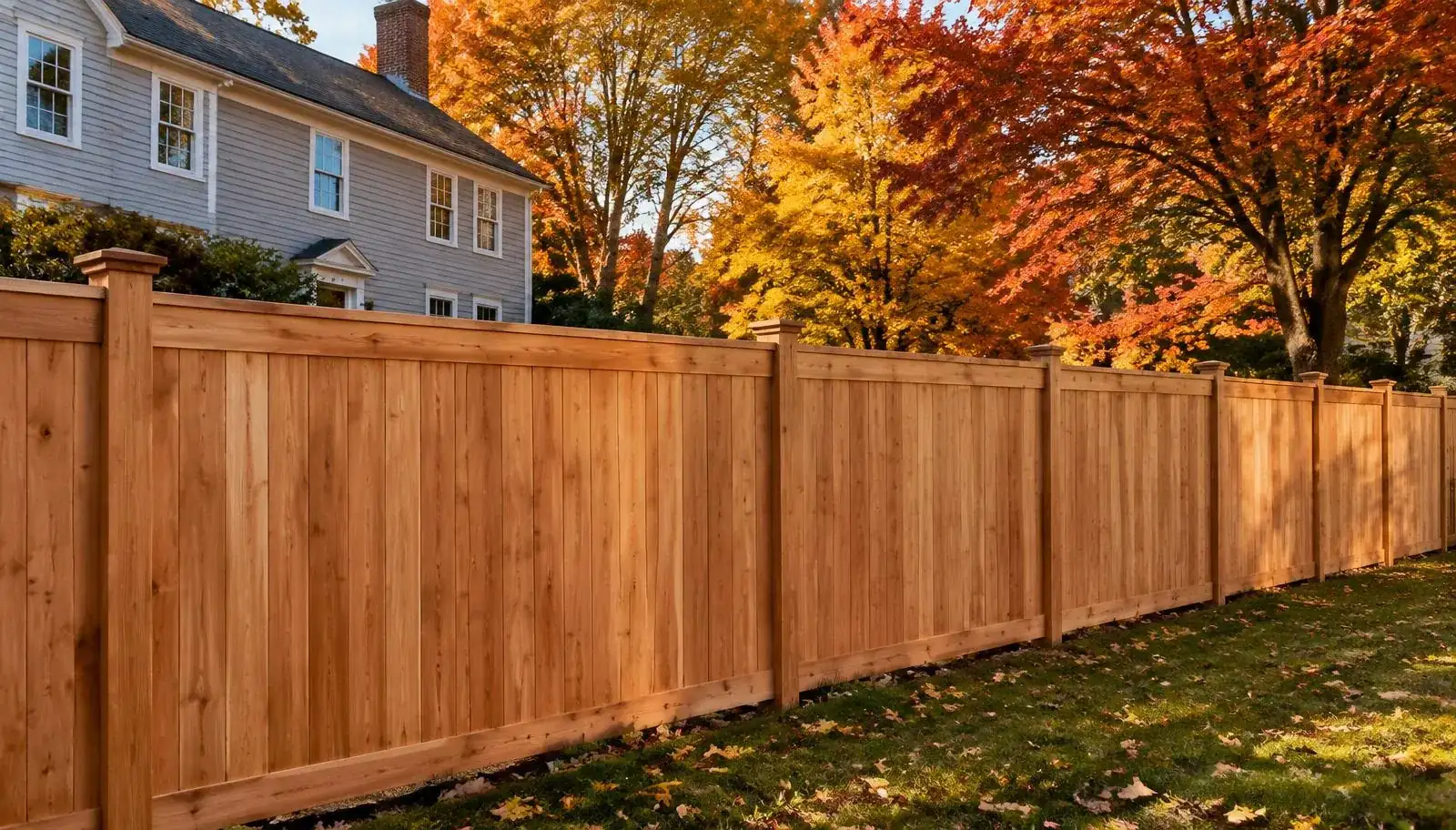
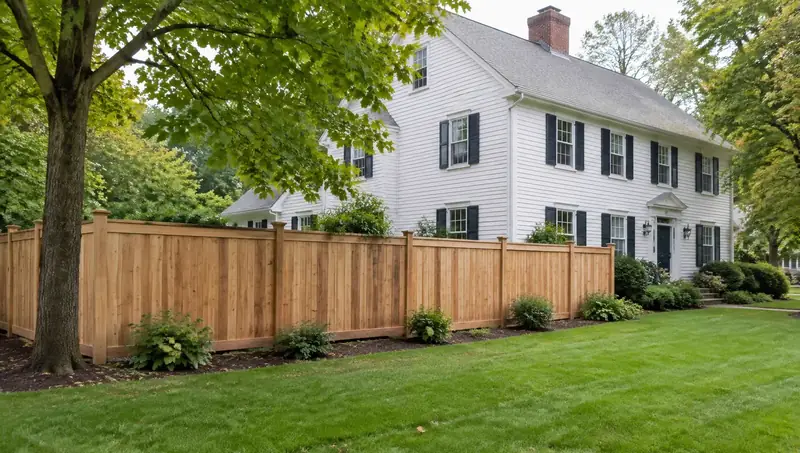
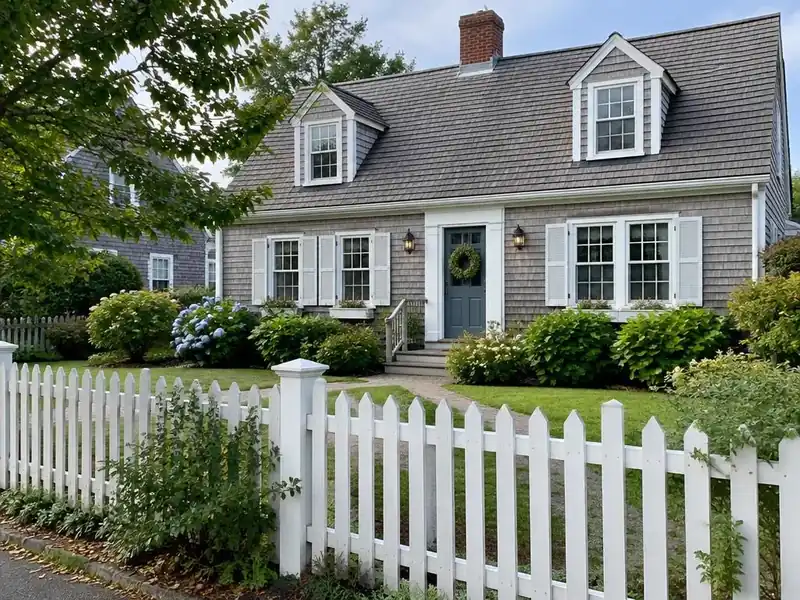
Wood is the classic fence material in Greater Boston. A cedar privacy fence behind a Colonial, a white picket fence in front of a Cape, a split rail along a Lexington lawn: these are part of the New England look. Fence Builder Boston installs wood fences that keep that look and hold up to local winters.
Call UsGet a Free Fence Estimate
Free On-Site Estimates
We measure your property, walk the fence line with you and give you a written quote at no cost.
Residential & Commercial
Privacy, pool and pet fences for homes, plus security and perimeter fencing for businesses.
Wood, Vinyl, Aluminum & Chain Link
Four core fence materials and matching gates.
Serving Greater Boston
Boston, Watertown, Cambridge, Brookline, Belmont, Newton, Waltham and Lexington.
We help you choose the wood species, style and height that fit your home, your lot and how much maintenance you want to do, then install it with posts set for frost and hardware that will not rust out.
Wood Fence Styles We Install
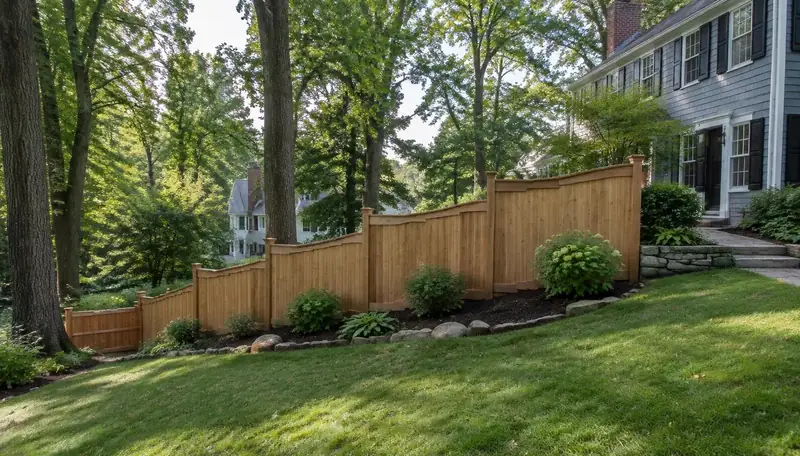
Privacy Fences
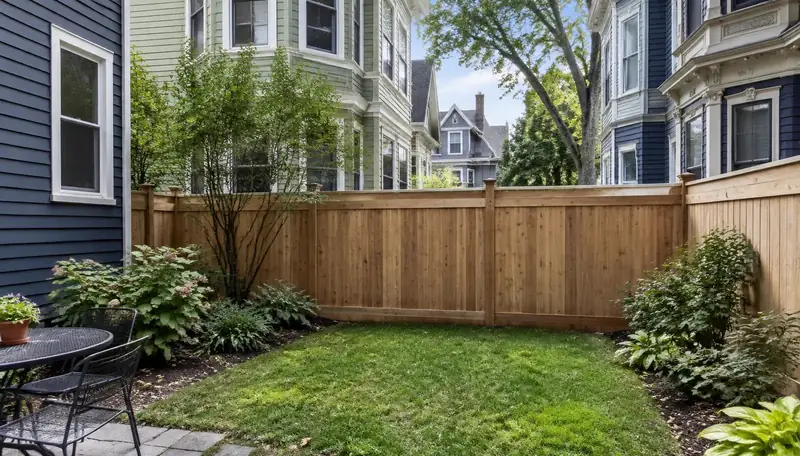
Solid board fences, usually 6 feet tall, that block views and soften street noise. A popular choice for small Boston-area backyards where houses sit close together.
Board-on-Board and Shadowbox Fences
Boards overlap on alternating sides so there are no gaps as the wood shrinks, and both sides look finished. A good option where the fence sits on a shared property line.
Picket Fences
Traditional 3 to 4 foot picket fences for front yards, gardens and walkways. They define the property and keep small pets in without hiding the house.
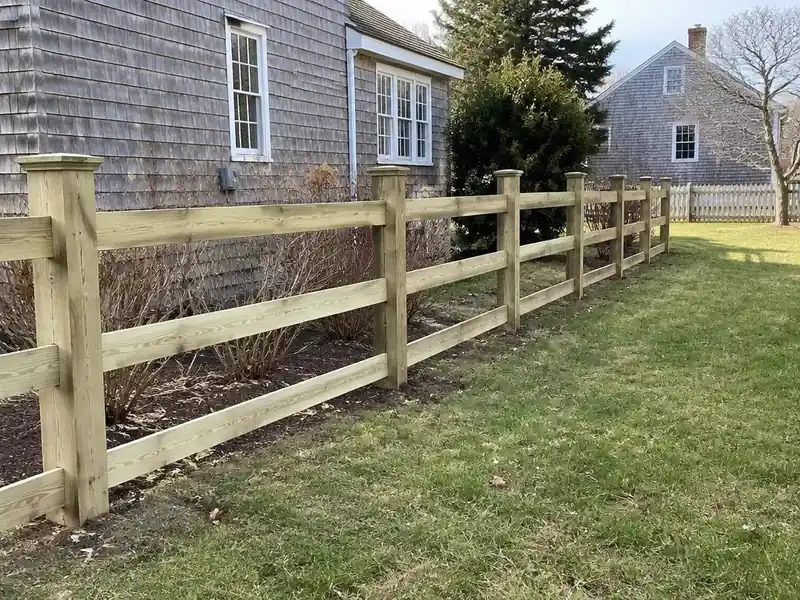
Split Rail and Post-and-Rail Fences
Open rail fences for larger lots, driveways and property edges. Often paired with wire mesh to keep dogs in while keeping a rural look.
Choosing the Right Wood
| Wood | Strengths | Upkeep |
|---|---|---|
| Western Red Cedar | Naturally resists rot and insects, stable, weathers to silver gray | Seal or stain every few years to keep the color |
| Northern White Cedar | Native to the Northeast, classic for split rail and stockade fences | Weathers naturally, low upkeep |
| Pressure-treated pine | Lower cost, strong, treated against rot, takes stain well | Let it dry, then stain or seal |
For posts, ground contact is where wood fences fail first. We use posts rated for ground contact and footings that drain, so water does not sit around the base of the post through freeze-thaw cycles.
Get a free on-site estimate for your wood fence project.
Get a Free EstimateWood Fences and New England Weather
Freeze-Thaw and Frost Heave
Massachusetts has a 48-inch frost depth in its building code, and freeze-thaw cycles can lift and loosen shallow posts. Proper post depth and drainage are what keep a wood fence straight after its first few winters.
Moisture and Rot
Wood lasts longest when it can dry out. We keep boards slightly above the soil, avoid trapping snow and leaves against the bottom of the fence where possible, and recommend sealing new wood once it has had time to dry.
Matching Older Homes
Many homes in Cambridge, Brookline and Newton date back a century or more. We can match fence styles to the architecture, and for homes in local historic districts we check whether the design needs approval before installation.
What Affects the Cost of a Wood Fence
Wood Species
Cedar costs more than pressure-treated pine but resists rot and stays straighter. Northern White Cedar is a traditional, economical choice for stockade and split rail fences.
Style and Board Layout
Board-on-board and shadowbox fences use more boards than a standard privacy fence because the boards overlap. Picket and split rail use the least material.
Height, Footage and Gates
A 6-foot privacy fence uses more lumber and deeper posts than a 4-foot picket fence. Each gate adds posts, framing and hardware.
Finishing
Staining or sealing can be done later, but if you want a finished color from day one, include it in the estimate.
Caring for a Wood Fence
- Let new pressure-treated wood dry before staining, then seal or stain to slow weathering
- Re-seal cedar every few years if you want to keep its color, or let it weather to silver gray
- Keep soil, mulch and leaf piles off the bottom boards so they can dry out
- Trim shrubs and vines away from the fence to improve airflow
- Check gate hinges and latches each spring after the freeze-thaw season
- Replace damaged boards early, before water gets into the rails and posts
Wood Fences Across Greater Boston
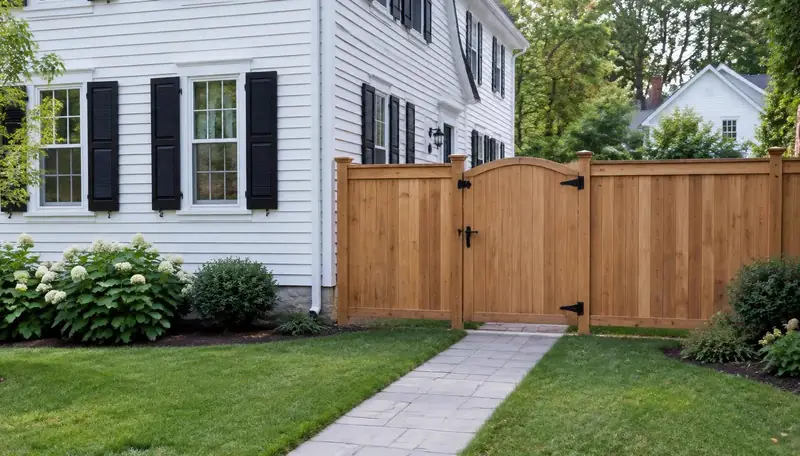
Wood privacy fences are the most common backyard fence in Watertown, Boston and Cambridge, where homes sit close together. In Lexington and Belmont, split rail and picket fences are popular for larger lots and gardens, and in Newton and Brookline cedar fences are often stained to match the house.
Related Services
Fence Installation
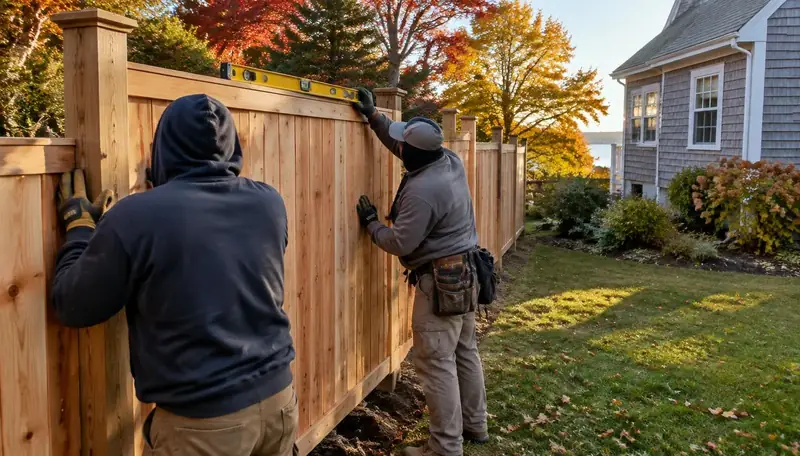
Complete fence installation, from layout and property line checks to posts set for New England frost and a final walkthrough.
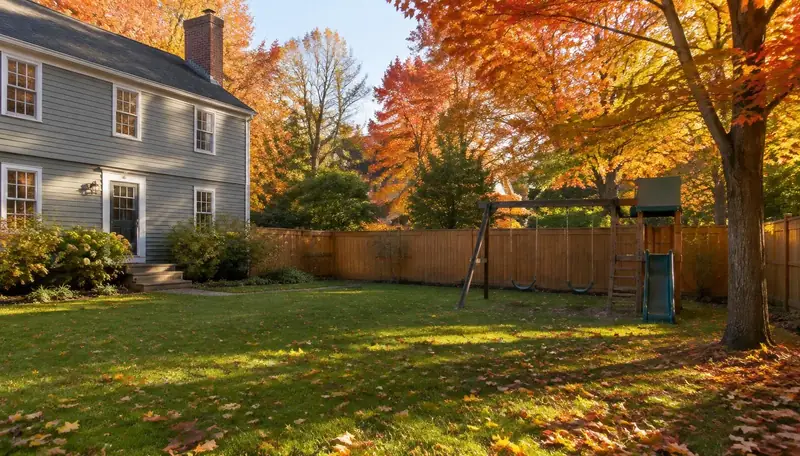
Residential Fencing
Privacy, pet, pool and decorative fences for single-family homes, two-families and triple-deckers.
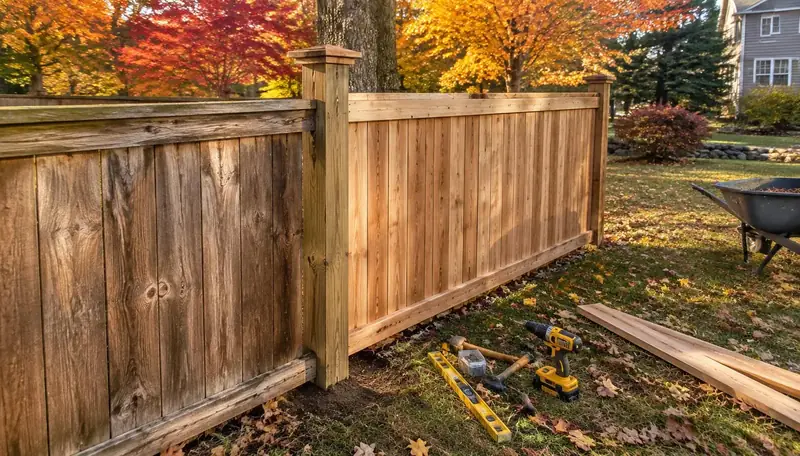
Fence Repair
Leaning posts, broken boards, storm damage, cracked vinyl and bent chain link.
Frequently Asked Questions
Thinking about a wood fence? Request a free on-site estimate and we will help you pick the right wood and style.
We will measure your property, walk the fence line with you and send a written quote.
Call UsGet a Free Fence Estimate